When Aviation Evolves, Safety Becomes an Organizational Culture
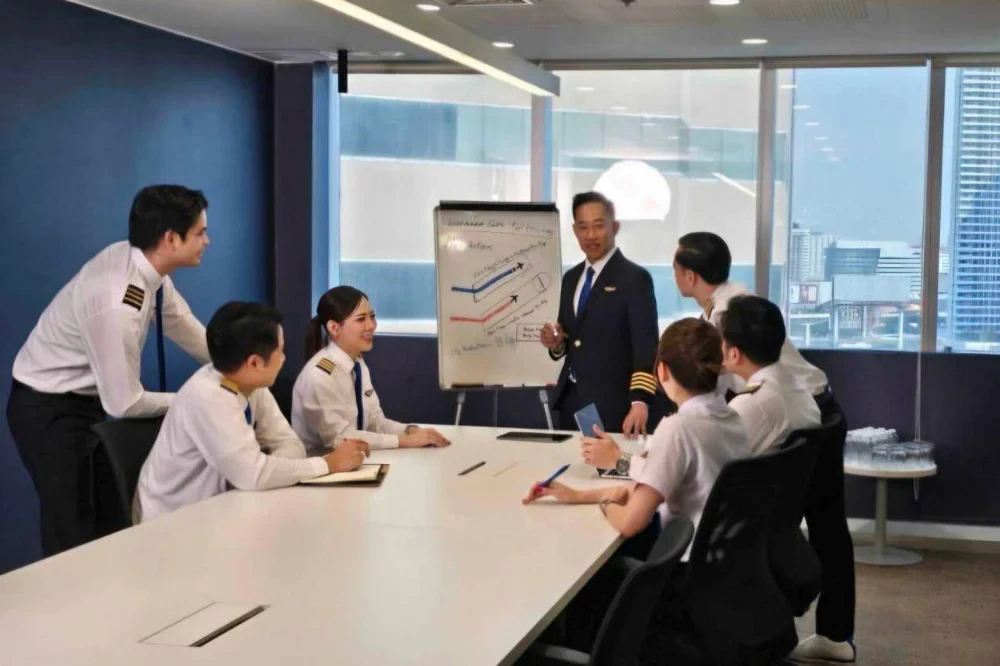
Captain Pathomphum Suttisom shares how preparation, technology, and organizational culture guide every safety decision in the skies.
Passengers may notice their aircraft diverting around a storm cell or circling above the destination before landing. To some, these moments may feel like delays. To pilots, they reflect a disciplined decision-making process guided by one principle: the safety of passengers must always come first.
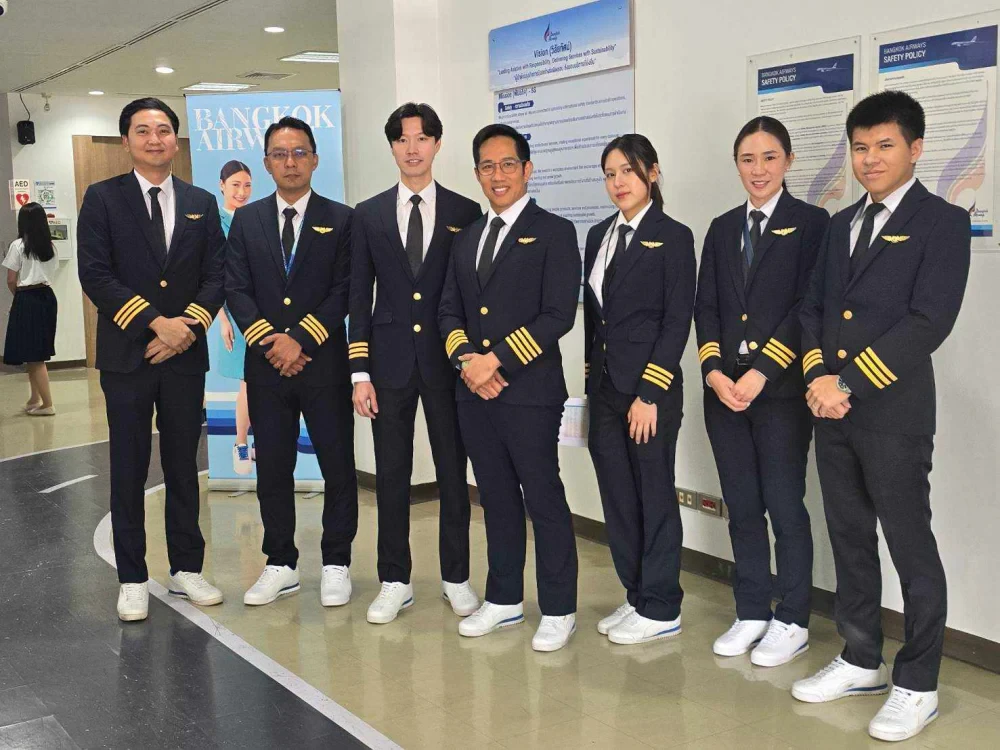
At Bangkok Airways, that commitment is captured in the airline’s guiding principle, “Safety is Our First Priority.” More than a policy statement, it is a core value embedded across the organization, from ground operations and aircraft maintenance to cabin crew and pilots in the cockpit.
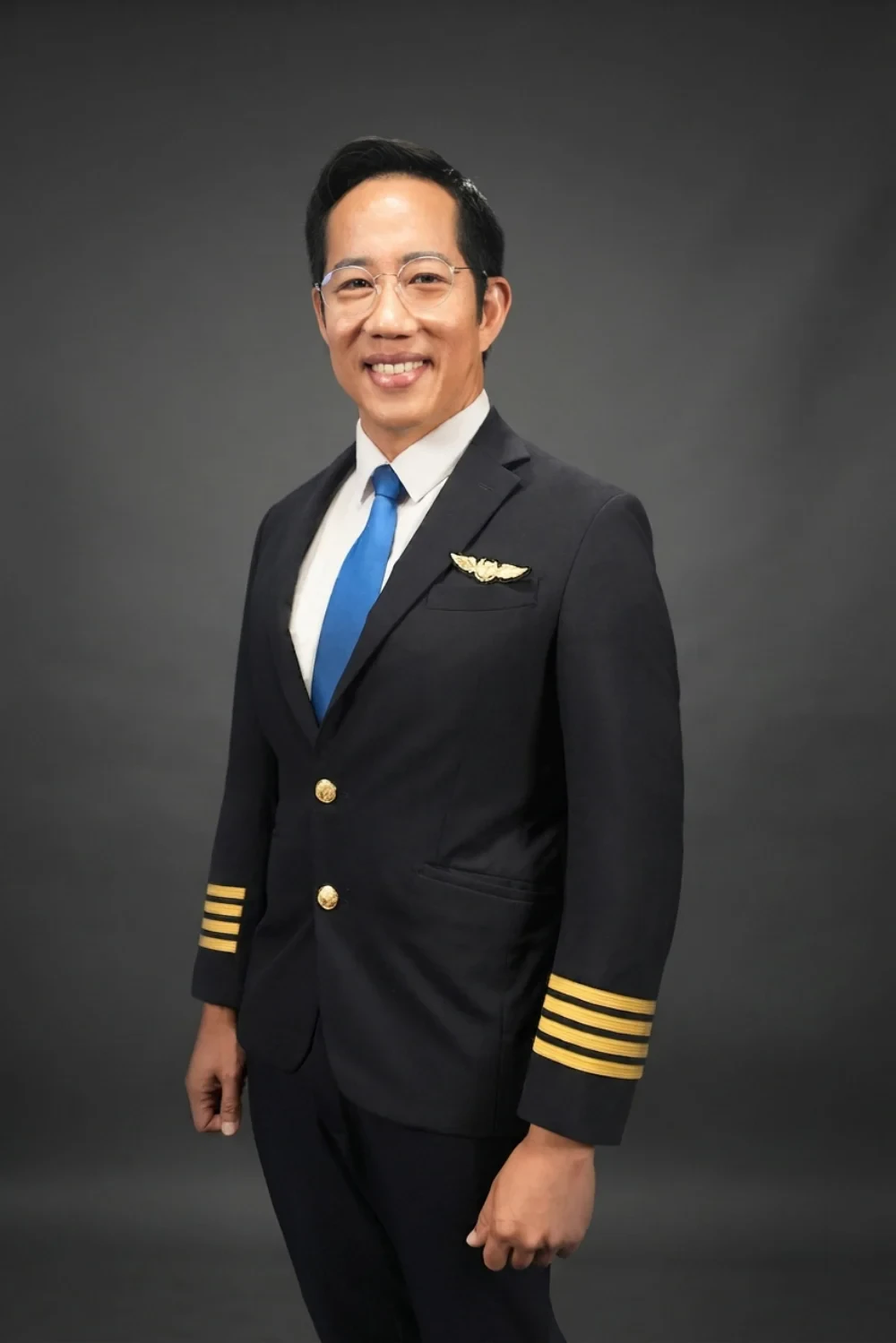
Captain Pathomphum Suttisom, Director - Flight Crew Operations at Bangkok Airways Public Company Limited, shares his perspective on cockpit decision-making, emerging aviation challenges, and the safety culture that continues to earn passengers’ trust. “While technology has made aviation safer than ever before, the most critical factor is ensuring that everyone shares the same mindset – that safety must always come first in every decision we make.”
Safety Begins Long Before Takeoff
Many people assume a pilot's job begins when an aircraft accelerates down the runway. In fact, ensuring a safe flight starts long before passengers’ step on board.
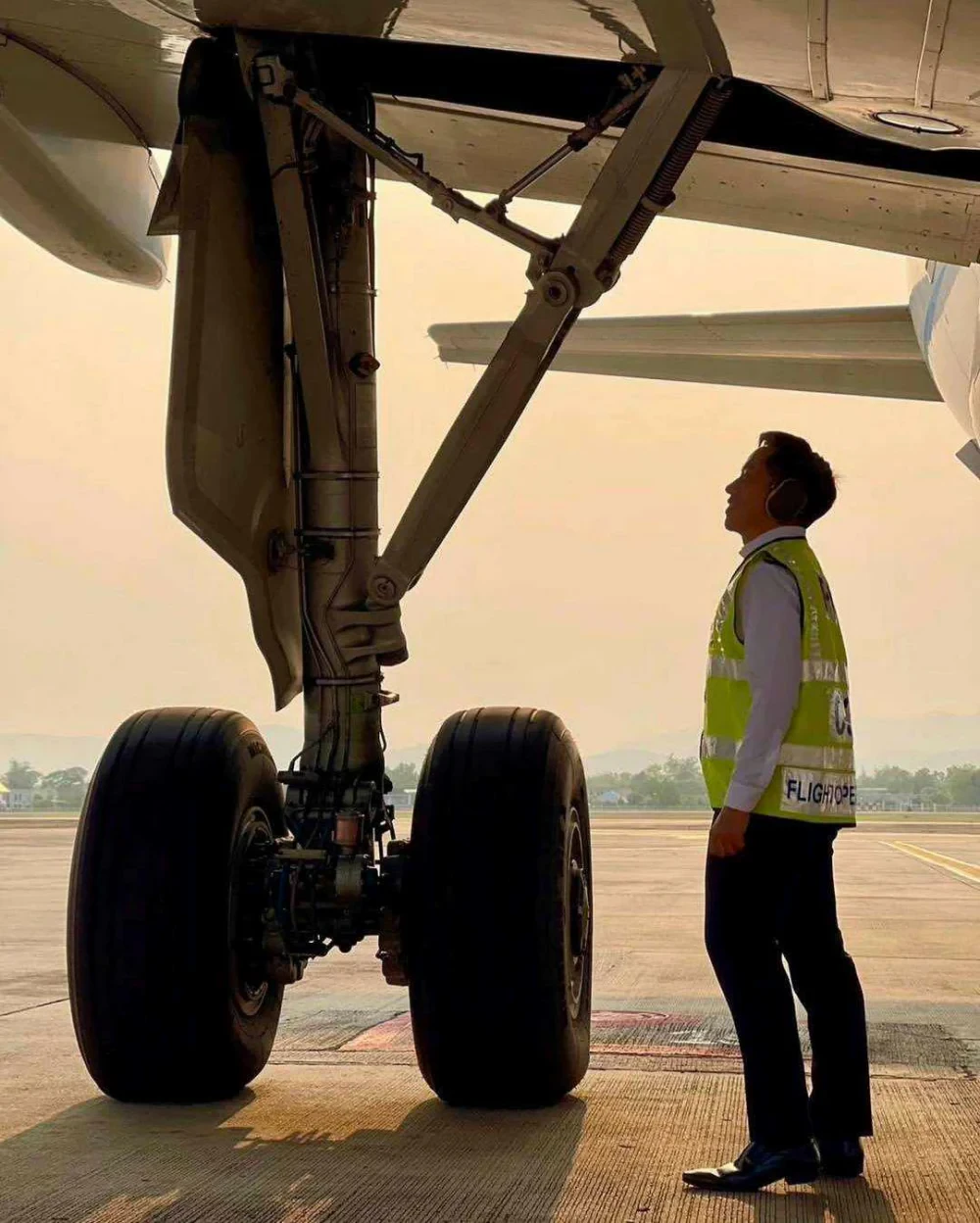
At Bangkok Airways, pilots report for duty well ahead of departure to review flight plans, analyze weather conditions, assess airport information, verify aircraft weight and fuel requirements, and evaluate operational risks in close coordination with multiple operational teams. Before every flight, pilots and cabin crew also conduct comprehensive briefings to ensure everyone is aligned with critical information, procedures and contingency plans. Only then do they complete final aircraft readiness checks before welcoming passengers on board.
For Captain Pathomphum, meticulous preparation is the cornerstone of aviation safety.
"Good preparation is where safety begins." He believes that sound decisions made in the air are built on thorough planning on the ground.
Combining Safety Culture with Innovation to Build Trust
While modern aviation is powered by advanced technology and continuous innovation, Bangkok Airways recognizes that maintaining the highest safety standards requires more than sophisticated systems. At the heart of its approach is a strong Safety Culture that underpins every aspect of the airline's operations.
This commitment is reinforced through a comprehensive Safety Management System (SMS), which enables risks to be identified, assessed and mitigated in a structured, proactive manner. Complementing this is the principle of Just Culture, which encourages employees at every level to report hazards, irregularities and safety concerns without fear of punitive action, provided they act in good faith.
By fostering openness and accountability, the airline can learn from operational data, identify root causes, strengthen processes and prevent similar incidents from recurring. This culture of continuous learning and proactive risk management not only enhances operational safety but also reinforces the trust of passengers, employees and stakeholders.
"The best safety system is one in which people feel confident speaking up when they see a risk. Preventing an issue is always better than responding after it has occurred."
For Captain Pathomphum, safety is not solely the responsibility of pilots — it is a shared commitment that extends across the entire organization.
As Weather Patterns Change, Aviation Must Adapt
One of the greatest challenges facing modern aviation is the increasing frequency and intensity of weather disruptions driven by climate change.
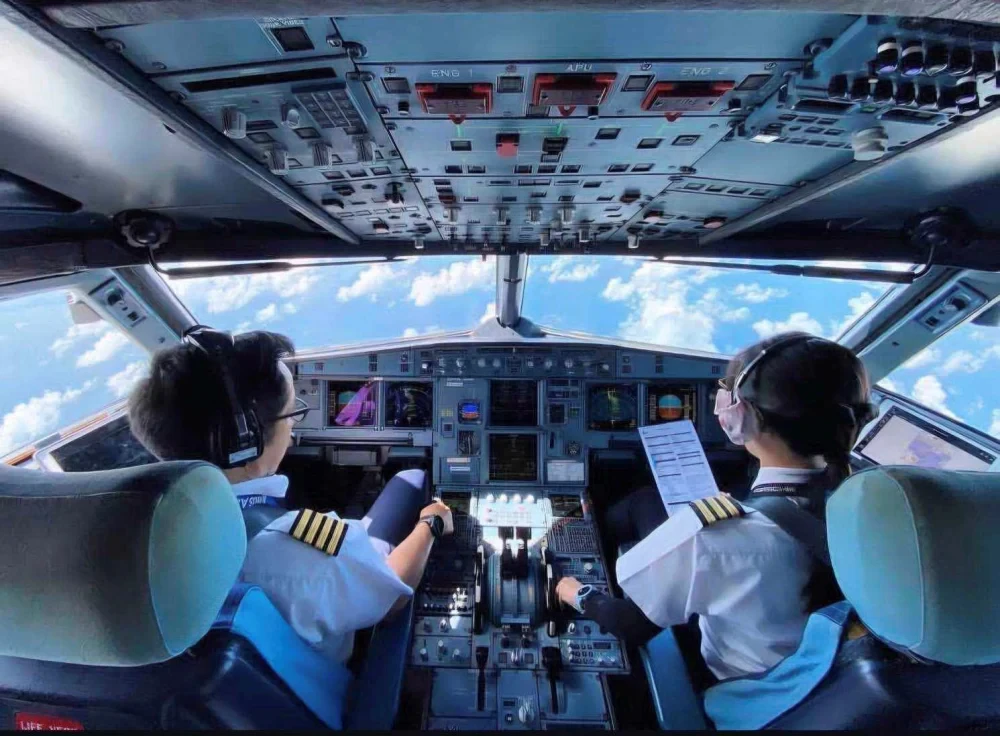
While today's aircraft are equipped with advanced weather detection technology, pilots rely on multiple sources of information including meteorological forecasts, aviation authorities and reports from other aircraft, to determine the safest route for every flight.
When conditions are required, flights may be rerouted, placed in holding patterns or diverted to alternate airports. Although these decisions can lead to delays, they are made with one overriding priority, protecting the safety of passengers and crew.
"A pilot's goal is not to get passengers to their destination as quickly as possible. It is to get everyone there as safely as possible."
Captain Pathomphum emphasizes that while delays may occasionally cause inconvenience, they are always preferable to decisions that compromise safety or increase operational risk.
Operational Efficiency Must Never Come at the Expense of Safety
Beyond operational safety, today's aviation industry faces growing challenges related to environmental sustainability and rising energy costs.
Bangkok Airways has integrated fuel-efficiency measures into its standard operating procedures, including single-engine taxiing where conditions permit, optimizing flight speeds and cruising altitudes, and continuously monitoring fuel performance throughout each flight. These initiatives help reduce fuel consumption and greenhouse gas emissions while promoting responsible resource management without compromising safety.
The airline also became the first in Thailand to voluntarily introduce Sustainable Aviation Fuel (SAF), reinforcing the aviation industry's transition toward lower carbon emissions and long-term environmental sustainability.
Yet, for Captain Pathomphum, every sustainability initiative must be guided by aviation's most fundamental principle – Safety First.
"Sustainability is a responsibility shared by every organization. However, in aviation, it can only be achieved when safety remains our highest priority."
Trust is Built on What Passengers Never See
Passengers may remember a flight for the warm hospitality of the cabin crew, the view from the window, or an exceptional travel experience. Yet behind every smooth journey are hundreds of decisions made by dedicated professionals working together with one shared priority – safety.
At Bangkok Airways, safety is more than a procedure or a checklist. It is a culture embedded in every stage of the operation, from meticulous planning on the ground and informed decision-making in the cockpit to ensuring every passenger arrives safely at their destination.
Ultimately, the success of every flight is measured by a single outcome: that every passenger reaches their destination safely and with confidence.