Behind the Smiles and Uniforms: Safety at the Heart of Bangkok Airways’ Cabin Crew Service

Marking Cabin Crew Safety Day, Bangkok Airways highlights the vital safety role of its cabin crew under the philosophy “Safety First, Service Always.”
At more than 30,000 feet above the ground, passengers may be resting, reading, enjoying a meal, or admiring the view from the aircraft window. Yet if an unexpected situation occurs, the first person they are likely to look to is not the pilot behind the cockpit door, but the cabin crew member standing beside them throughout the journey.
The smile passengers see is only the first impression of the profession. Behind it are extensive knowledge, specialized expertise, rigorous training, and a constant readiness to protect every life on board, every second of every flight.
In recognition of Cabin Crew Safety Day 2026, observed annually on 19 July, Bangkok Airways invites the public to discover another important dimension of its cabin crew: their role as aviation safety professionals trained to international standards and prepared to respond to a wide range of emergency situations, while remaining committed to their most important mission, ensuring that every passenger reaches their destination safely.
The International Civil Aviation Organization (ICAO) sets global standards and recommended practices related to cabin safety, including cabin crew training programs, emergency duties, evacuation stations, passenger safety, equipment required on board, and security-related procedures. These standards underscore the cabin crew’s essential role in protecting passengers and supporting safe aircraft operations.
For Bangkok Airways, this responsibility is reflected in every aspect of cabin operations. Safety is not merely a regulatory requirement; it is a core organizational culture embedded in every decision, procedure, and flight.
Every Flight Begins Before the First Passenger Boards
Before the first passenger steps through the aircraft door, the cabin crew’s mission has already commenced. Their workday begins with a pre-flight briefing alongside the pilots and fellow crew members to review critical flight information ranging from flight routes, weather conditions, and passenger counts to passengers requiring special assistance and essential safety data required for the operation.
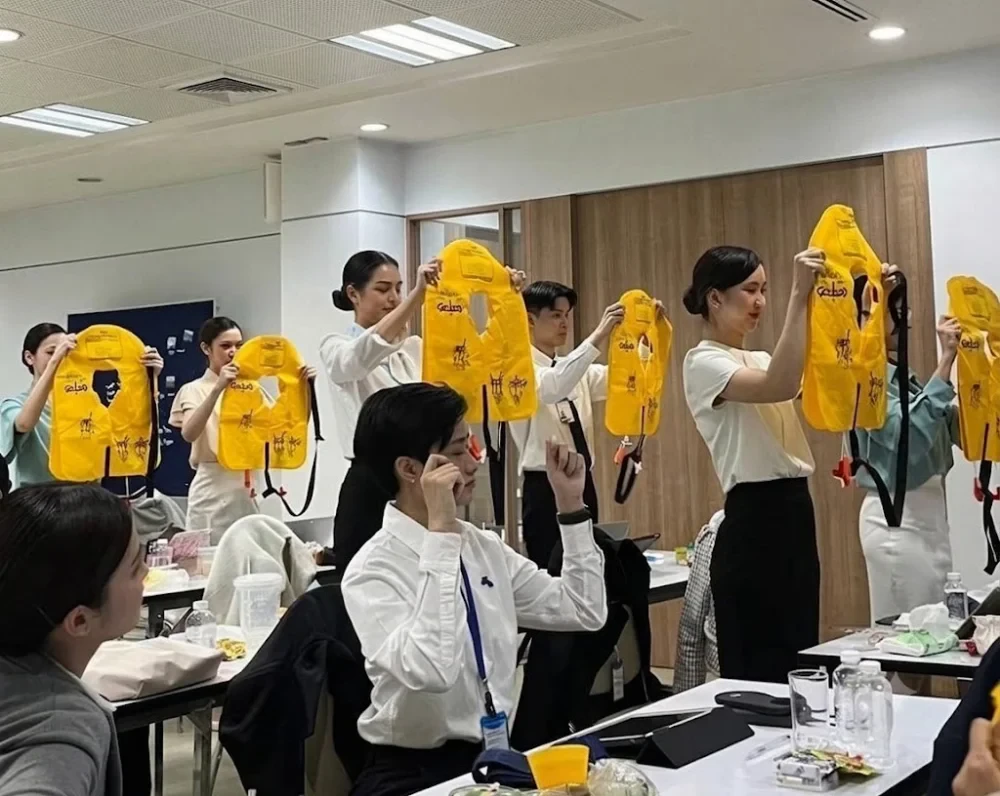
Following the briefing, the crew boards the aircraft ahead of the passengers to conduct a meticulous cabin check. This involves inspecting firefighting equipment, oxygen bottles, life vests, oxygen masks, flashlights, first-aid kits, and emergency exit door systems, as well as conducting a thorough security sweep of the entire cabin to ensure no suspicious objects or irregularities exist that could compromise flight safety.
If any piece of equipment is found to be unserviceable, the aircraft will not depart until the issue is rectified in accordance with strict safety standards.
A Warm Welcome Accompanied by Constant Vigilance
When passengers begin boarding, they are greeted by the familiar smiles and warm welcomes of the cabin crew. At the same time, however, crew members are continuously assessing safety conditions within the cabin.
They assist passengers with stowing baggage, ensure seat belts are fastened correctly, verify that electronic devices are properly stored when required, and provide support to elderly passengers, children, wheelchair users, and those requiring special assistance.
Concurrently, the crew identifies Able-Bodied Passengers (ABPs) individuals with the physical capability to assist others in the event of an emergency to ensure readiness for any unforeseen situation.
Before departure, cabin crew conduct the safety demonstration to ensure passengers understand emergency procedures. While many frequent travelers may have seen these demonstrations countless times, every step is based on lessons learned and internationally recognized aviation safety standards.
Ready for Emergencies at a Moment’s Notice
The role of cabin crew extends far beyond in-flight service.
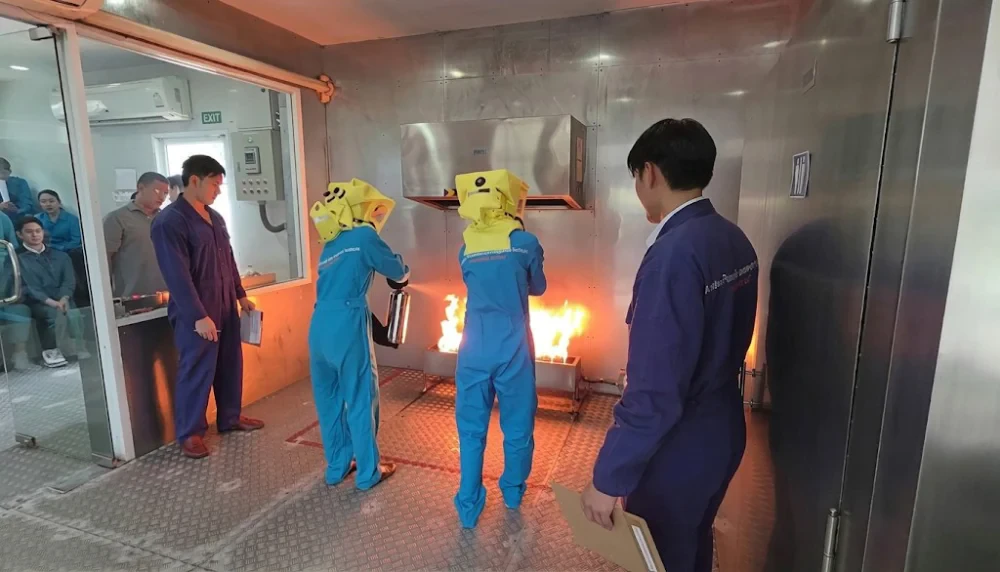
They are trained to respond to a wide range of emergencies, including cardiac arrest, stroke symptoms, severe allergic reactions, emergency childbirth, sudden cabin depressurization, lithium battery fires, onboard fire containment, and aircraft evacuations within legally mandated time limits.
These are all scenarios that cabin crew regularly train for, enabling them to make swift and accurate decisions while maintaining composure under intense pressure.
Extensive Training Before Taking to the Skies
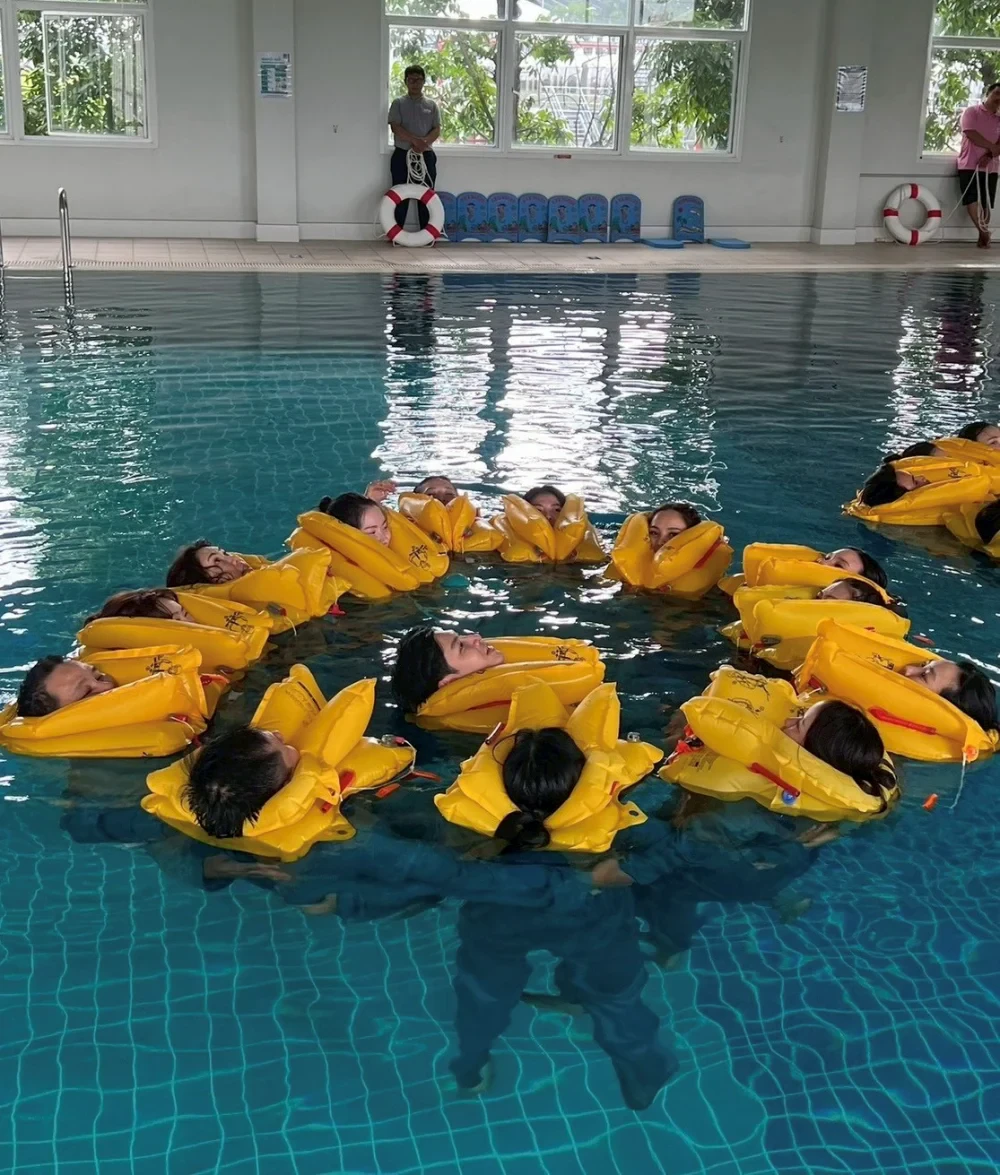
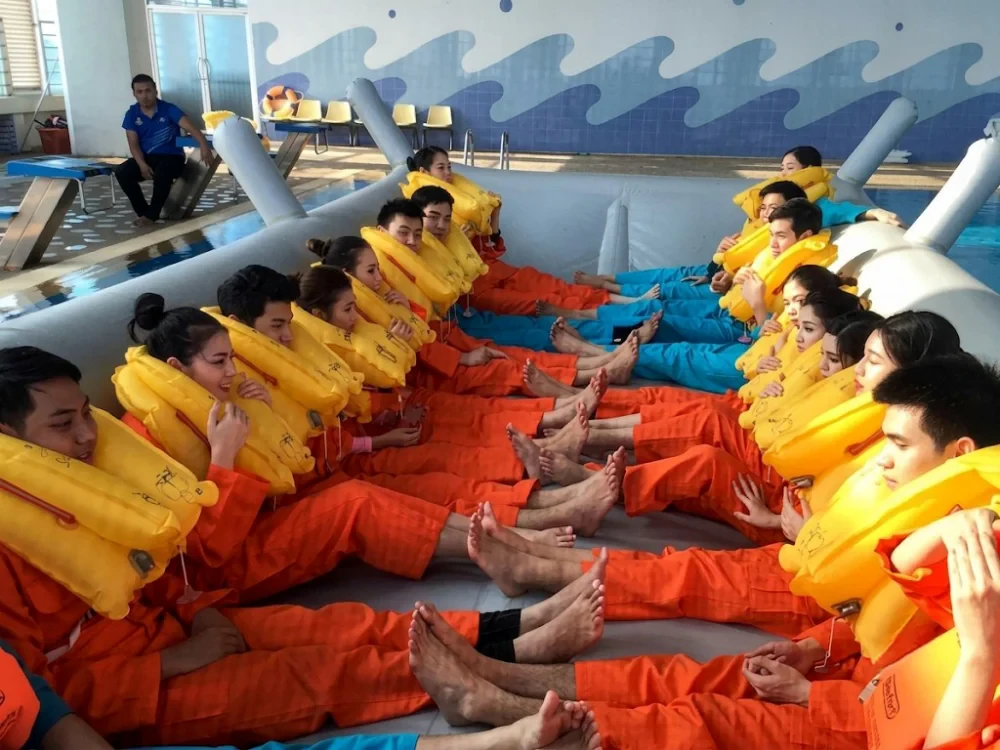
Every Bangkok Airways cabin crew member undergoes an intensive training program lasting approximately 6-8 weeks before operating flights. They must pass stringent safety assessments and participate in recurrent training and examinations each year to maintain both regulatory qualifications and operational standards.
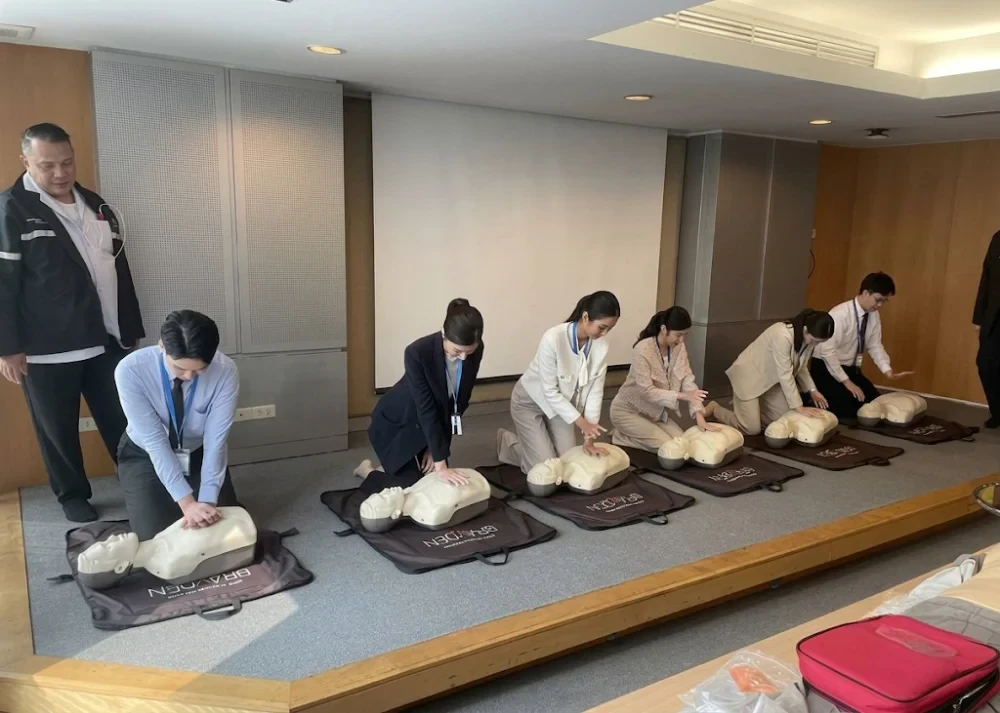
The curriculum covers a broad range of subjects, including first aid, cardiopulmonary resuscitation (CPR), and the use of automated external defibrillators (AEDs), firefighting, crowd control, passenger evacuation, and crisis management within the cabin environment. Training is conducted through realistic simulations designed to develop technical skills, build confidence, and strengthen decision-making capabilities in real-life situations.
“We Do More Than Serve. We Protect Lives”
Pichaporn Sucharitakul (Pink), a Bangkok Airways cabin crew member, said: “For cabin crew, passenger satisfaction and safety are not choices between one or the other; they must go hand in hand. We are trained to be ready for every situation because the ultimate goal of every flight is to ensure that every passenger arrives safely at their destination.”
Theerasak Yusuksuwan (Arm) added: “We are taught to put safety first at all times, whether by observing irregularities, anticipating risks, or making decisions in emergency situations. Sometimes, small details that we do not overlook can help prevent a much larger incident.” He further noted: “Many people may see cabin crew primarily as service professionals, but in reality, we take on multiple roles at the same time: safety specialists, first responders, emergency coordinators, firefighters, instructors, and a source of reassurance for passengers throughout the journey.”
Beyond the Smile Lies Confidence
Beneath the immaculate uniform and the warm smile stands an internationally certified aviation safety professional, continuously trained and ready to pivot roles in a split second as the situation demands.
For Bangkok Airways, excellent service begins with safety, because nothing is more important than bringing every passenger home safely.
Every time a passenger sees a crew member's smile, what remains invisible is the wealth of knowledge, responsibility, and preparedness backing that smile.
This is the meaning of “Safety First, Service Always”, a principle upheld by Bangkok Airways cabin crew on every flight and a foundation of passenger confidence on every journey.