The Green Gateway Chronicle: 37 Years of Samui Airport From a Vision Ahead of Its Time to a Model Green Airport Growing Sustainably with the Community
If a “gateway” marks the beginning of a journey, Samui Airport has served as the first gateway welcoming visitors from around the world to Koh Samui and the islands of the Gulf of Thailand for more than 37 years.
For Bangkok Airways, this airport has never been just an airport. From the very beginning, Samui Airport was envisioned as more than a transportation hub. It was designed to be a key driver of economic growth and tourism while enhancing quality of life and protecting the environment, ensuring that development remains balanced and sustainable.
This vision originated from Dr. Prasert Prasarttong-Osoth, founder of Bangkok Airways, who recognized the immense potential of Koh Samui long before it became a globally renowned destination.
“Building an airport is not merely about constructing a runway or a terminal; it is about creating opportunities for people, communities, and the nation to grow together.”
Dr. Prasert Prasarttong-Osoth
At a time when concepts such as ESG, Sustainable Tourism, and Net Zero Carbon had yet to enter mainstream business discourse, the principles of environmentally responsible development and community value creation were already embedded in Samui Airport's design philosophy.
Today, after more than 37 years, Samui Airport stands not only as a gateway to Koh Samui but also as a model Green Airport, demonstrating that economic growth, tourism development, environmental stewardship, and community well-being can flourish together.
From Coconut Plantation to a Gateway Connecting the World
In 1984, the first foundation pillar of Samui Airport was laid on more than 600 rai of coconut plantation land in Bo Phut, Koh Samui District, Surat Thani Province.
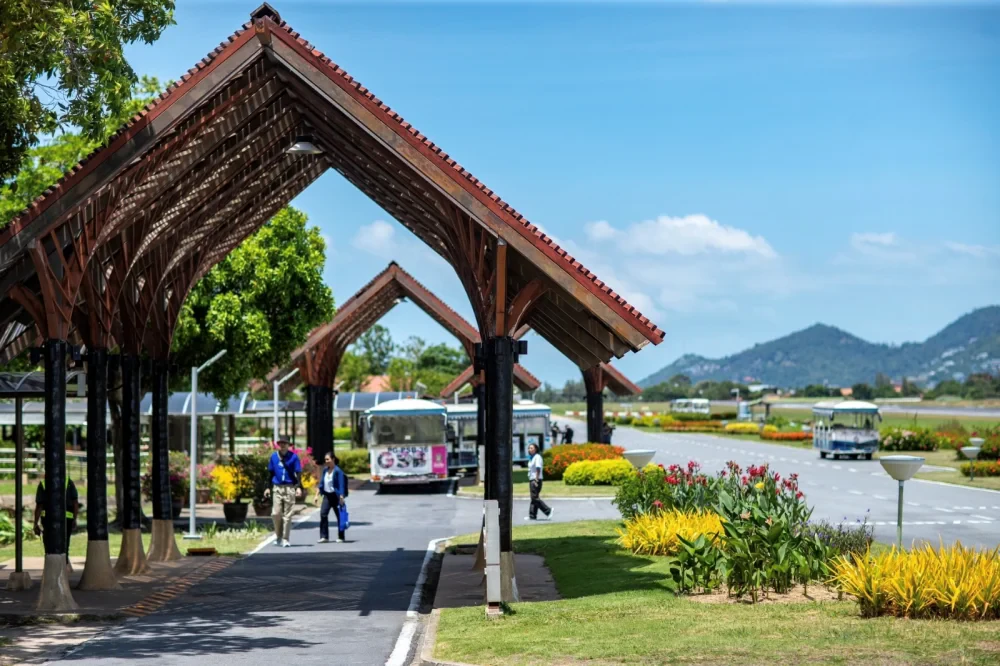
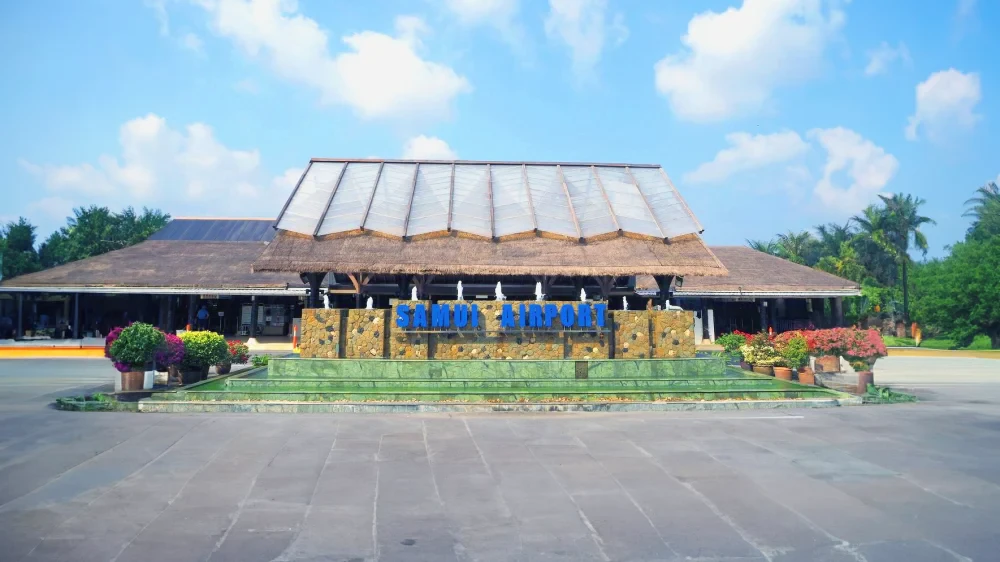
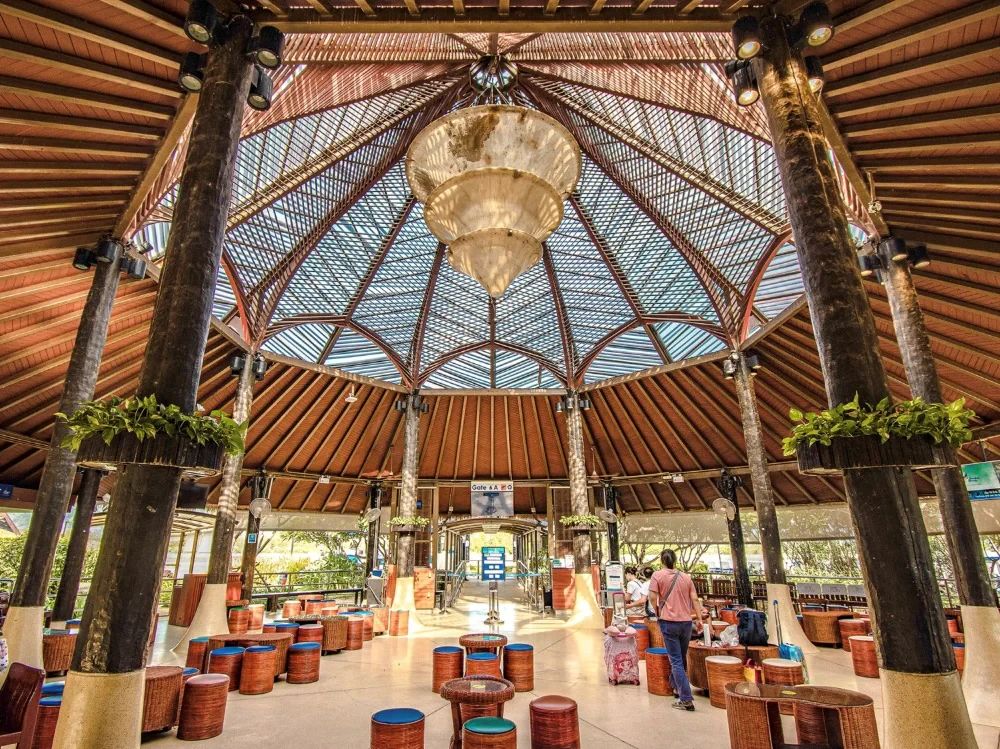
While many airports around the world were being developed with large, enclosed structures, Samui Airport adopted a distinctive approach. Its open-air terminal design embraced natural ventilation, sunlight, and surrounding green spaces, making them integral parts of the passenger experience.
This concept not only reduced energy consumption but also preserved the island’s unique character in harmony with its natural environment.
When officially opened in 1989, Samui Airport became a major turning point for the island. Travel time between Bangkok and Koh Samui was significantly reduced, opening the door to rapid tourism growth. What was once a small island in the Gulf of Thailand evolved into a world-class destination recognized by high-quality travelers from across the globe.
Samui Airport: A Pioneer Green Airport
Although the concept of a Green Airport has become a key focus within the global aviation industry today, Samui Airport embraced this vision from the start.
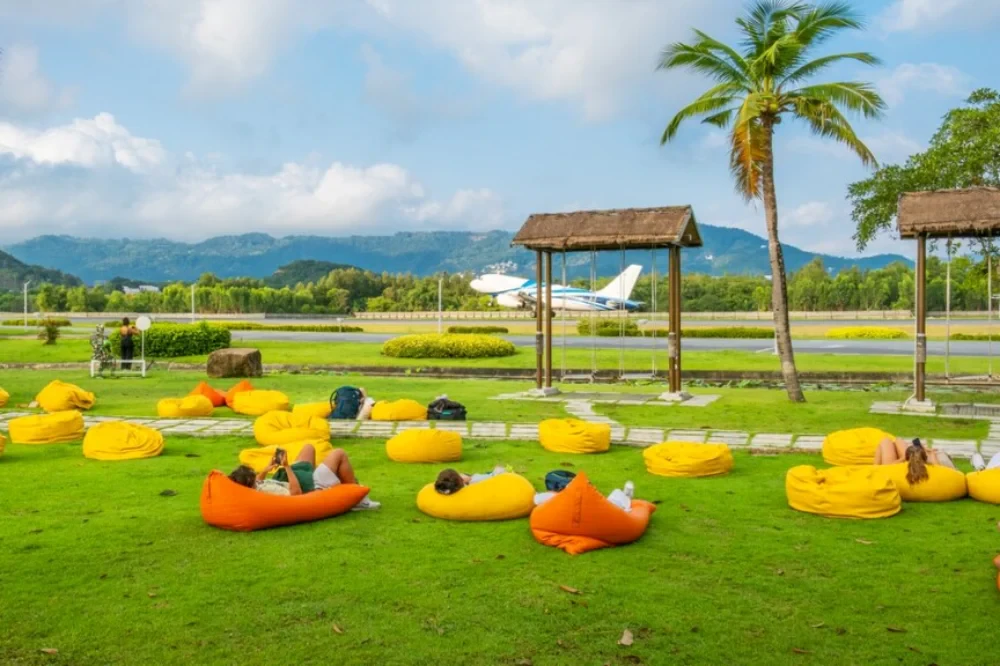
Its open-air architecture minimized reliance on air-conditioning systems, while extensive green spaces were carefully preserved. Building materials and landscape designs were selected with consideration for the island’s natural surroundings and ecological balance.
Over the years, the airport has continued to strengthen its environmental initiatives through a range of measures, including replacing conventional lighting with energy-efficient LED systems, implementing digital technologies to optimize energy management, and laying the groundwork for future development toward a Green Terminal concept, reinforcing its long-term commitment to sustainable airport operations.
The airport also places strong emphasis on integrated water and waste management. Through its wastewater treatment system, treated water is reused for landscape irrigation. Additional initiatives include waste segregation and reducing plastic consumption through the “Say No to Plastic Bags” campaign.
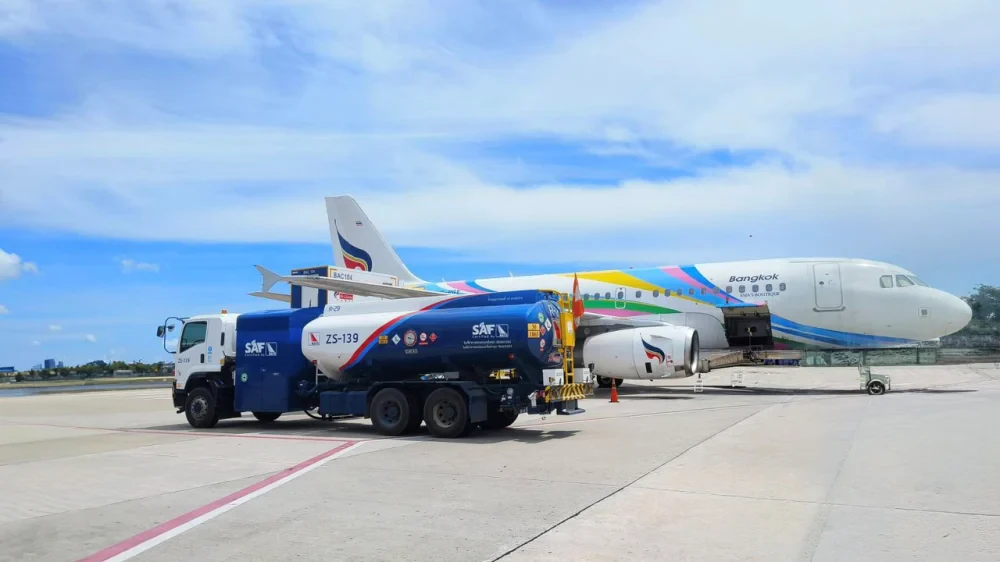
Another major sustainability milestone was achieved when Samui Airport became the starting point for Bangkok Airways’ use of Sustainable Aviation Fuel (SAF) on commercial flights under the “Low Carbon Skies by Bangkok Airways” initiative. This marked an important step for Thailand’s aviation industry in its journey toward Net Zero Carbon goals.
Growing Together with the Community
For Samui Airport, sustainability extends beyond environmental protection. It also means supporting the people and communities that have grown alongside the airport over the decades.
Guided by the principle of creating shared value, Samui Airport and Bangkok Airways have continuously implemented community-focused initiatives in areas such as environmental conservation, education, social development, health, and local economic empowerment.
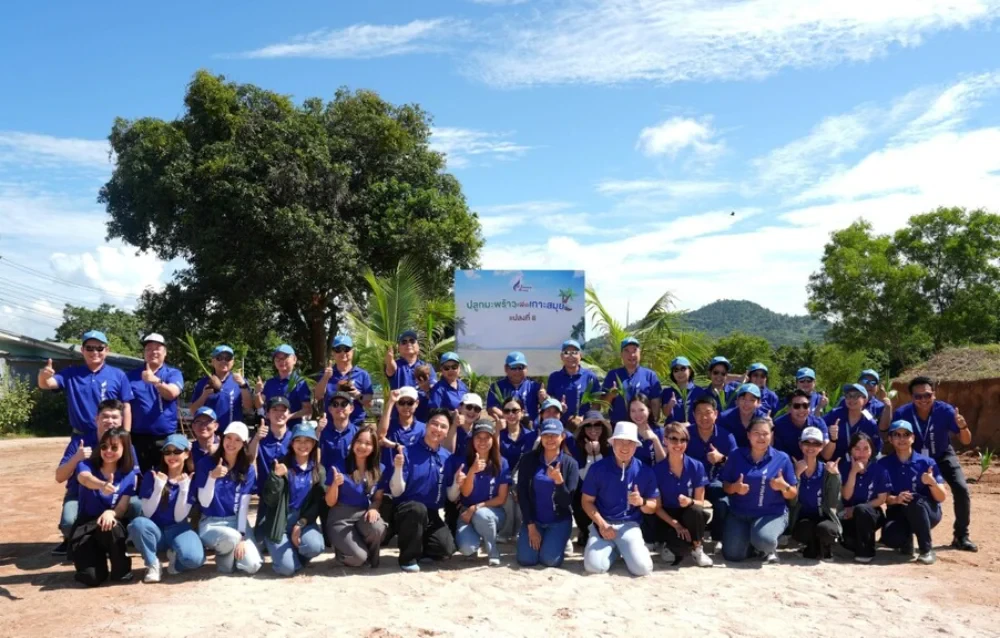
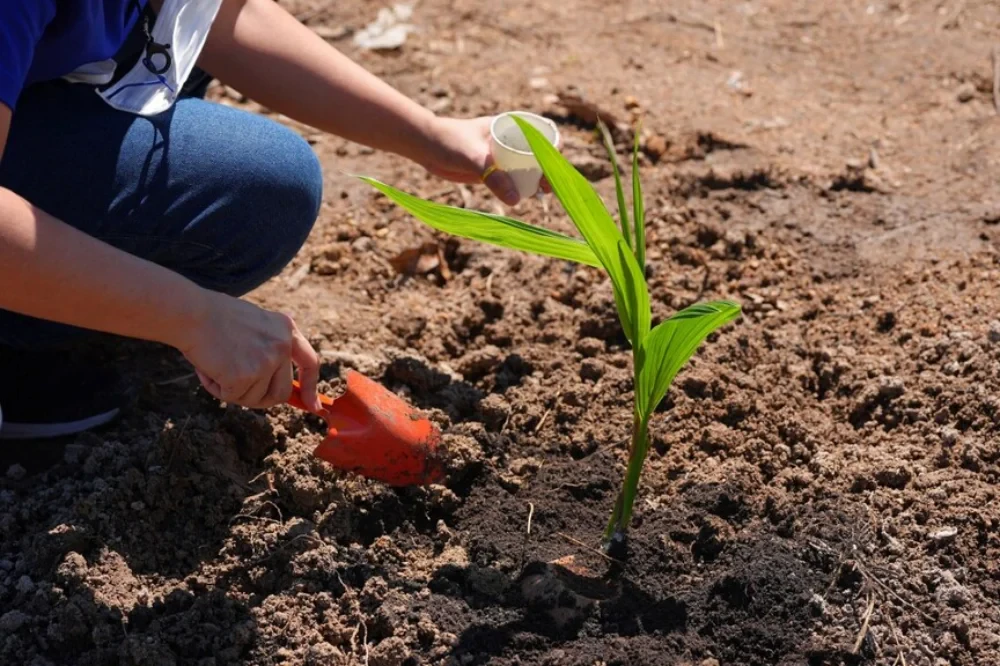
The “Love Samui, Save the Coconut Tree” project has been running for eight consecutive years to preserve coconut trees, one of Koh Samui’s most iconic symbols. The project is complemented by mangrove restoration, seagrass rehabilitation, and beach conservation activities conducted in partnership with local communities.
In education, the “Wings for Dreams” program provides local youth with hands-on learning opportunities about careers in the aviation industry. The initiative inspires young people while equipping them with knowledge and experience that can support their future aspirations. At the same time, the airport continues to collaborate with local communities and partner organizations to improve quality of life, support vulnerable groups, promote health and social initiatives, and create economic opportunities for local entrepreneurs and residents.
For Bangkok Airways, sustainability is not measured solely by business growth; it is about growing together with communities, people, and the natural surroundings that support the airport ecosystem.
A Bridge for Quality Tourism and Economic Growth
For more than three decades, Samui Airport has served as far more than just the gateway to Koh Samui. Every arriving flight creates economic opportunities for local businesses, hotels, restaurants, farmers, fishermen, and service providers. The airport has become a key economic engine, generating income and distributing economic benefits throughout the island.
Through initiatives such as “SAMUI SAVOR,” visitors are connected with local restaurants and entrepreneurs, encouraging spending within the community. Meanwhile, sporting events such as the Bangkok Airways Samui Half Marathon have played an important role in promoting sports tourism, wellness travel, and sustained economic activity on the island.
Preparing for Samui’s Future
Although Koh Samui has already earned international recognition as a premier global destination, Samui Airport continues to evolve in preparation for future growth while preserving the island’s unique charm and identity.
Bangkok Airways has planned investments to further develop and enhance Samui Airport’s capabilities, including upgrades to passenger terminal facilities, service technologies, passenger convenience systems, and commercial spaces. These developments are designed to accommodate growing travel demand in the future while elevating the passenger experience in line with international airport standards.
Alongside infrastructure development, the airport continues to expand its environmental initiatives, focusing on improving energy efficiency within its facilities and supporting the global aviation industry’s Net Zero Carbon objectives.
This approach reflects the development philosophy that has guided Samui Airport from the beginning promoting responsible growth that balances environmental and social stewardship with the creation of economic opportunities for local communities.
Samui Airport: A Green Gateway to the Future
From its beginnings amid coconut plantations to becoming one of the region’s most recognized airports, Samui Airport has demonstrated that infrastructure can serve not only as a transportation gateway but also as a foundation for long-term sustainable development. Its success is measured not only by the number of travelers it welcomes, but also by the value it creates for the destination and the people who contribute to its success.
For more than 37 years, this Green Gateway has connected people from around the world to Koh Samui while helping the economy prosper, strengthening communities, and preserving natural resources. As the world increasingly seeks models for sustainable development, Samui Airport continues to build upon the visionary foundation established by Dr. Prasert Prasarttong-Osoth decades ago ensuing that Koh Samui remains a destination of enduring beauty, value, and opportunity for generations to come.
For Samui Airport, being a “gateway to the island” means more than bringing people to a destination; it means opening the door to a future where growth and sustainability move forward together.