“Four Ways to Restore. One Change for Nature.” Bangkok Airways’ Five Sustainability Missions on the Journey Toward a Sustainable Airline
Bangkok / 15 June 2026 – As the world faces increasing challenges from climate change, sustainability has become a critical agenda across all sectors. The aviation industry is no exception. Therefore, this challenge is accelerating its efforts to balance economic growth with environmental responsibility.
For Bangkok Airways, sustainability is not merely a future goal, but an integral part of its business operations across all dimensions, guided by its vision: “Leading Aviation with Responsibility, Delivering Services with Sustainability.”
Under the “Low Carbon Skies by Bangkok Airways” campaign, the airline is committed to reducing environmental impact while creating shared value for communities, society, and stakeholders through its Environmental, Social, and Governance (ESG) framework.
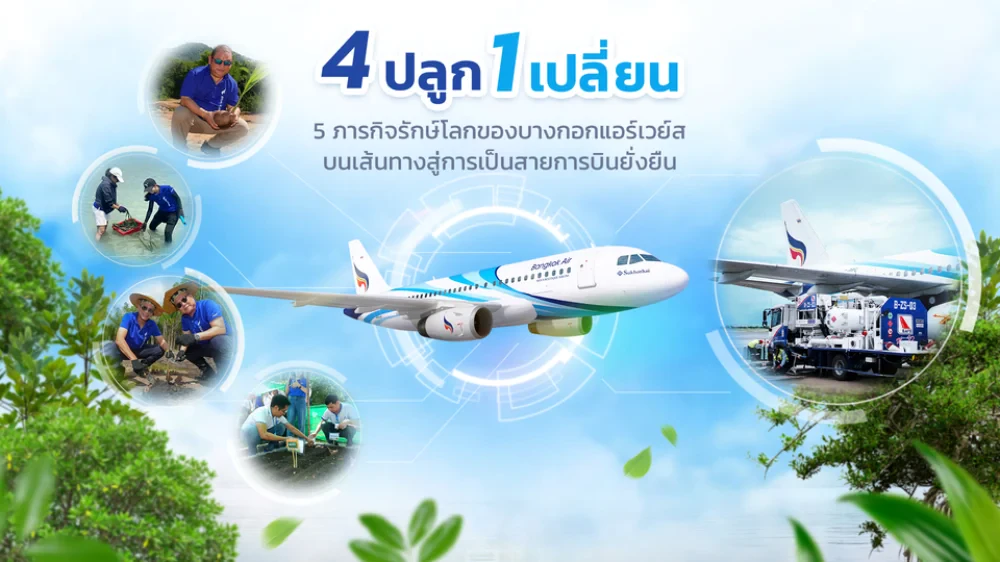
From Koh Samui to Trat, and from in-house organic gardens to low-carbon skies, Bangkok Airways brings this concept to life through its “Four Ways to Restore. One Change for Nature” initiative which combines five key projects that demonstrate a tangible sustainability ecosystem. These initiatives integrate aviation, airports, communities, society, and the environment to drive balanced and long-term growth.
“Four Ways to Restore” – Restoring Ecosystems and Creating Shared Value with Communities
Nature plays a vital role in absorbing and storing carbon dioxide. Ecosystem restoration and conservation are therefore essential in addressing climate change, while also enhancing quality of life and strengthening local communities.
Planting Coconut Trees: Revitalizing Koh Samui
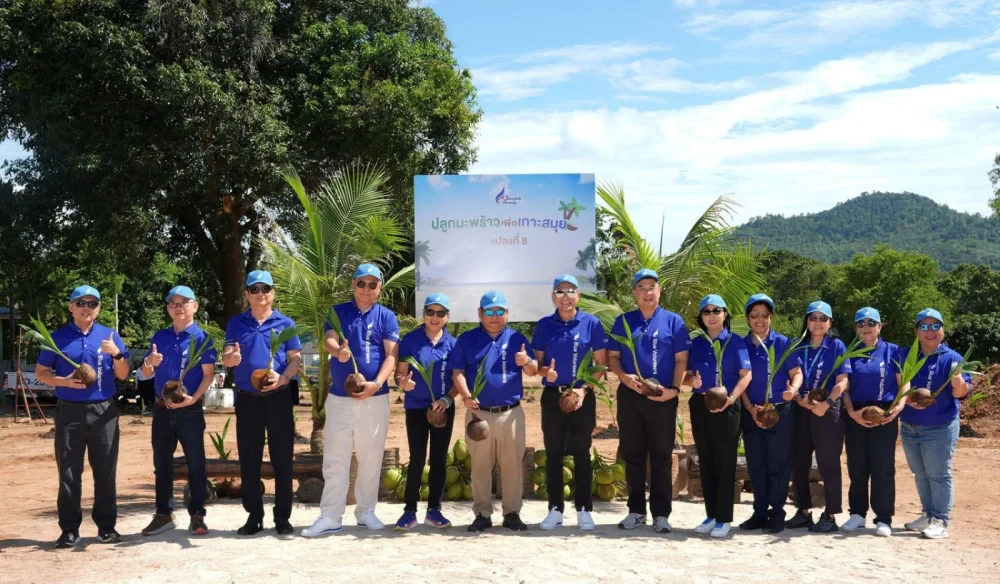
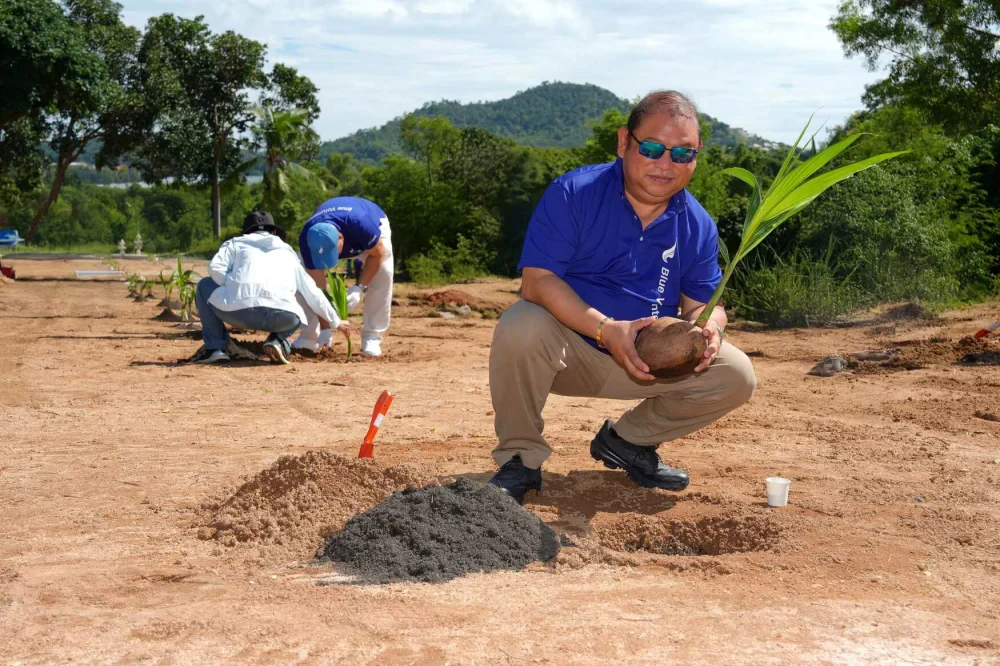
Coconut trees are a symbol of Koh Samui and an integral part of local livelihoods. To preserve both environmental and cultural sustainability, Bangkok Airways has continued the “Love Earth, Save Earth: Love Samui, Save the Coconut Tree” project for the eighth consecutive year.
The airline monitors the growth of planted coconut trees, which are expected to sequester over 8,216 kgCO₂e when fully grown. Beyond environmental benefits, the project also supports the local economy and helps preserve the island’s identity as a world-class destination.
Planting Seagrass: Restoring Marine Balance
Marine ecosystems play a crucial role in carbon sequestration, particularly seagrass, which is recognized as a highly efficient Blue Carbon ecosystem.
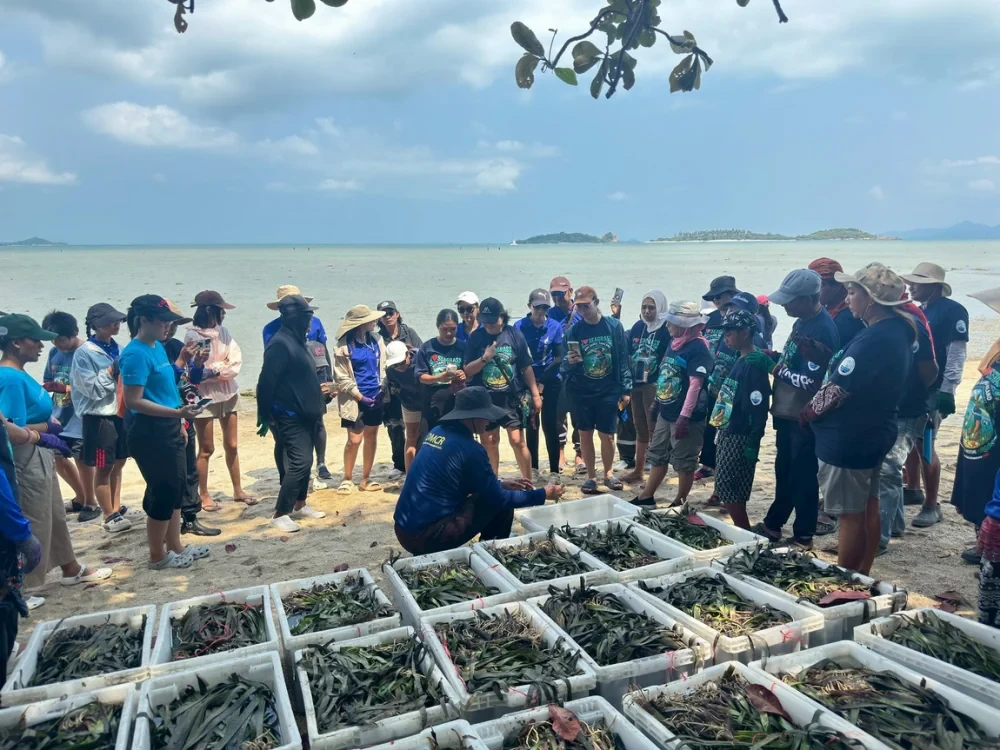
Through its employee volunteer group, “Blue Volunteers,” Bangkok Airways has partnered with the Marine and Coastal Resources Research Center of the Gulf of Thailand to plant over 13,000 seagrass seedlings across more than 10 rai of coastal area.
This initiative helps restore coastal ecosystems, create nursery grounds for marine life, enhance biodiversity, and increase natural carbon absorption capacity, reflecting the airline’s commitment to “passing on care to the sea” for sustainable community value.
Planting Mangrove Forests: Restoring Coastal Abundance
Mangrove forests are vital ecosystems that serve as coastal protection, breeding grounds for marine species, and significant carbon sinks.
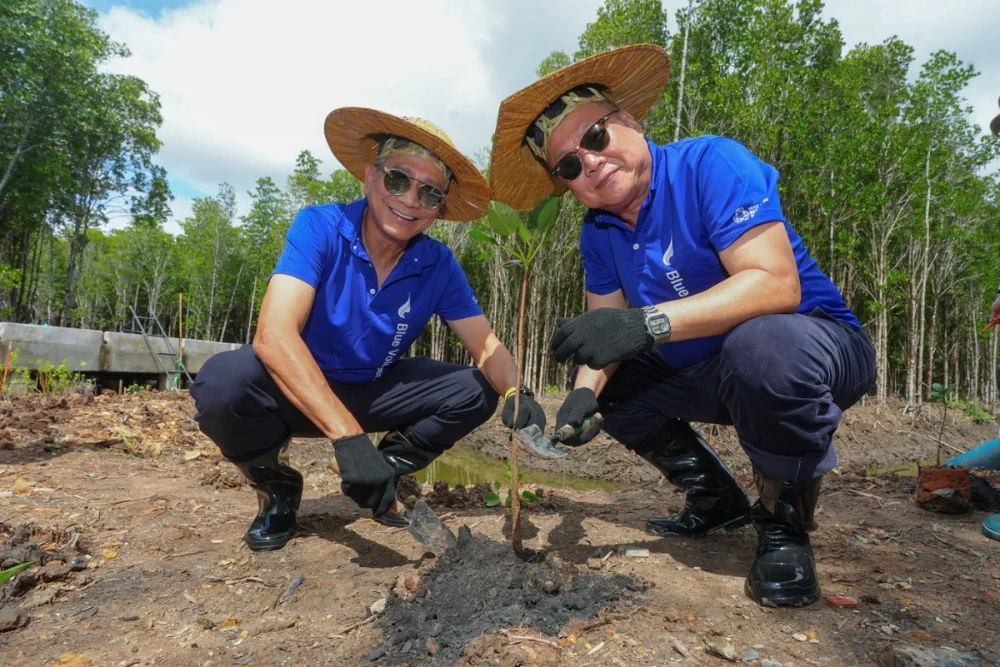
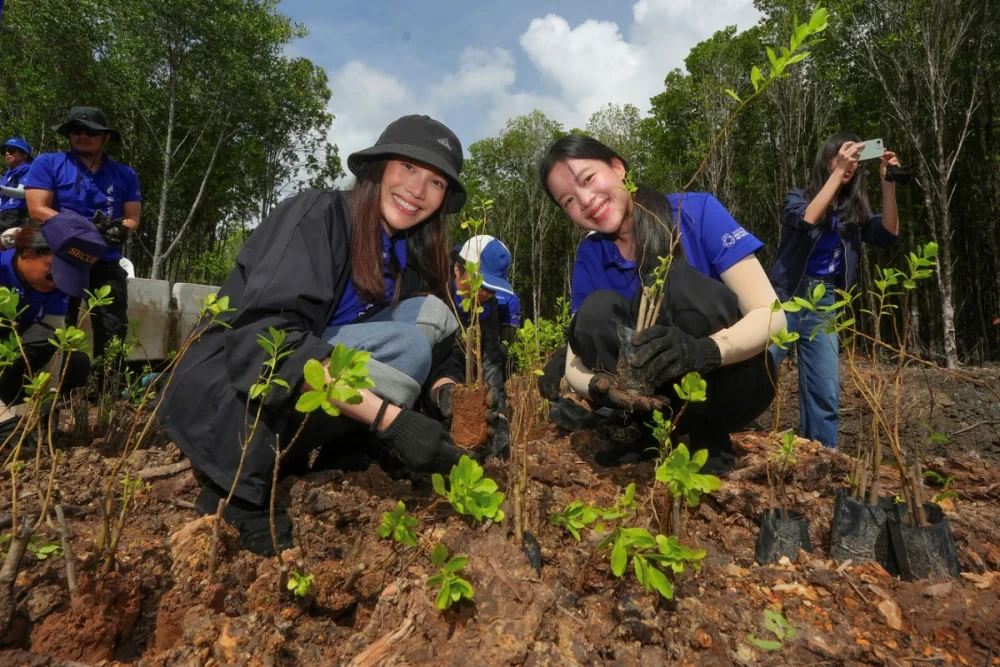
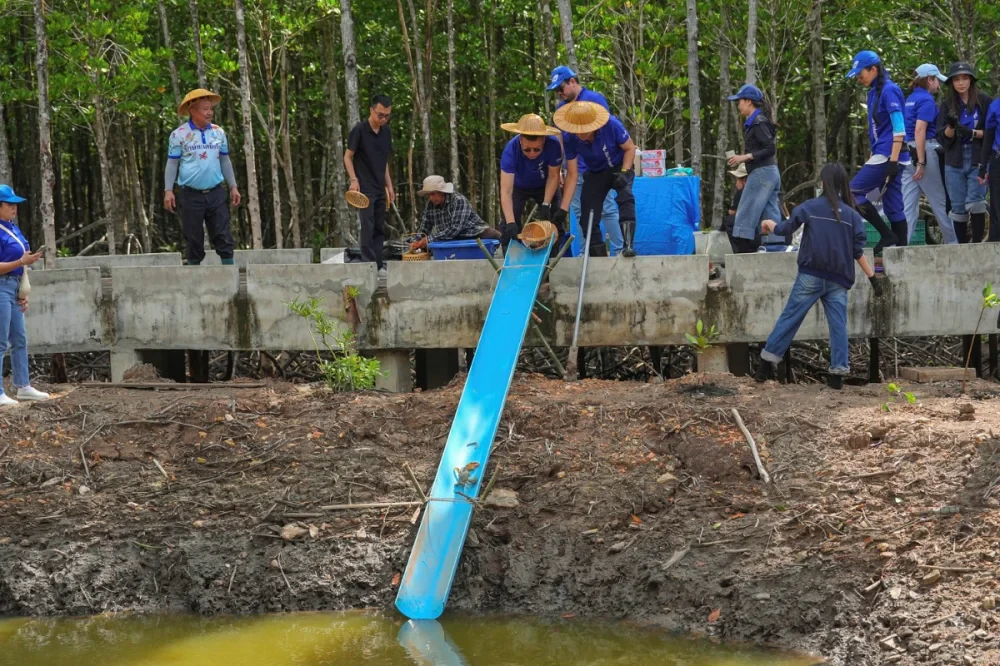
Bangkok Airways has continued its mangrove reforestation project in Trat Province for the sixth consecutive year through planting mangrove trees, reinforcing coastal seedlings, dispersing local seeds, and releasing marine animals back into nature.
These efforts contribute to ecosystem restoration, biodiversity enhancement, and long-term natural resource balance, while fostering community and employee participation in environmental conservation.
Planting Organic Gardens: Turning Food Waste into Value
Sustainability begins within the organization. Bangkok Airways has launched the “GROW Together Farm” initiative, transforming food waste from its headquarters and passenger lounges into organic fertilizer through waste management systems.
Employees actively cultivate a variety of vegetables, including basil, holy basil, kale, coriander, Chinese cabbage, and morning glory. This reflects the principles of the circular economy, maximizing resource utilization, reducing landfill waste, and fostering a culture of sustainability through employee engagement at all levels.
“One Change for Nature” – Transitioning to Sustainable Aviation Fuel (SAF)
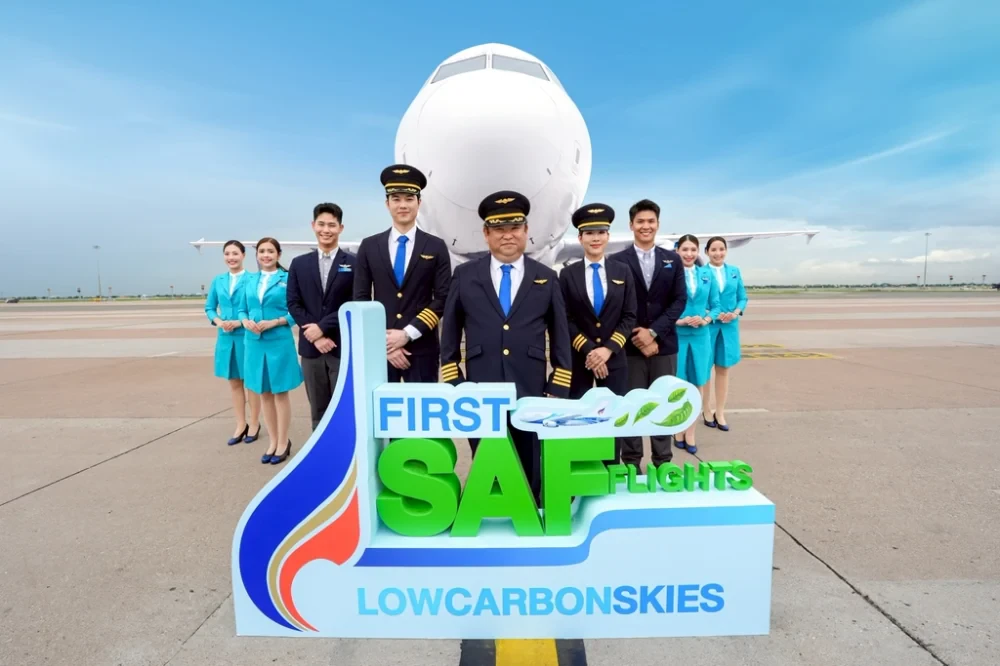
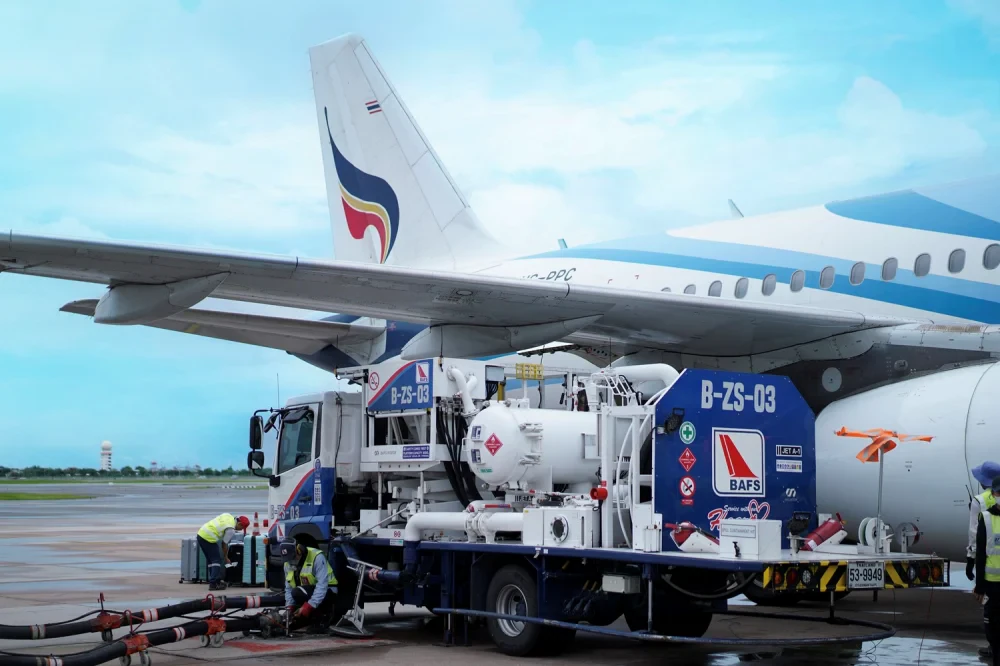
In addition to ecosystem restoration, reducing greenhouse gas emissions from flight operations is a key mission. Bangkok Airways has therefore advanced its transition to Sustainable Aviation Fuel (SAF) in commercial flights, officially initiated in July 2025.
SAF is produced from renewable feedstocks and recycled waste materials, such as used cooking oil and agricultural residues. Currently, the airline uses a 1% SAF blend with 99% Jet A-1 fuel.
This initiative helps reduce carbon dioxide emissions by approximately 128 kilograms per flight, marking a significant step toward a low-carbon aviation industry and aligning with the global aviation sector’s goal of achieving carbon neutrality in the future.
Connecting Aviation with Environmental Stewardship
The five initiatives under the “Four Ways to Restore. One Change for Nature.” concept go beyond environmental activities. They form part of Bangkok Airways’ broader sustainability ecosystem, integrating aviation, airports, communities, and the environment.
From land to sea, from communities to the skies, each initiative reflects the belief that business growth can go hand in hand with environmental stewardship and shared societal value.
This approach aligns with the company’s vision of “Leading Aviation with Responsibility, Delivering Services with Sustainability,” serving as a guiding compass toward becoming a sustainable airline, while contributing to the long-term sustainable growth of Thailand’s aviation industry.